BPC

BPC-157 5MG.

Body Protection Compound research reference for tissue repair models, gastrointestinal integrity studies, angiogenesis signaling, and inflammatory pathway analysis.

Tissue Repair Research Gut Integrity Models Angiogenesis Pathways Inflammation Research
Research reference only. For laboratory research reference only. Not intended as medical advice or for human consumption.
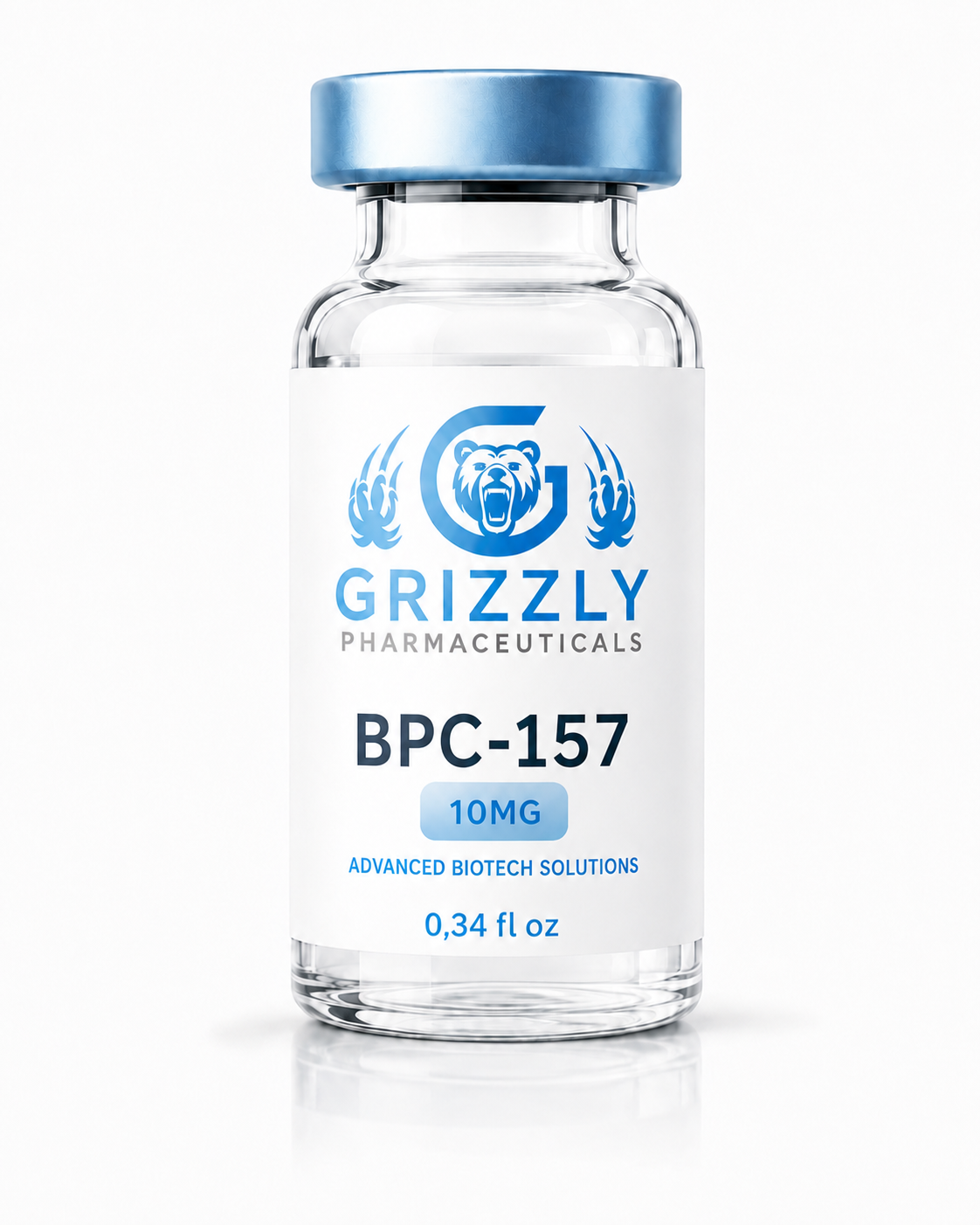
Compound Overview

BPC-157, also known as Body Protection Compound 157, is a synthetic pentadecapeptide studied in laboratory models involving tissue repair signaling, gastrointestinal integrity, inflammatory modulation, and angiogenesis-related biological pathways. This page provides a structured research reference for comparison, handling context, and product-specific details.

Technical Specifications

3D MOLECULAR MODEL
1419.5 g/mol
N/A
Lab-tested batch documentation
Lyophilized Powder

Primary Research Focus

Tissue repair models Gastrointestinal integrity Angiogenesis signaling Inflammatory pathways

Observed Research Timeline

Initial Signaling

Phase 1: Early Observation

Early research observations often focus on inflammatory signaling, cytoprotective response markers, and localized tissue repair pathways.

0 25 50 75 100 P1 P2 P3 P4

Compare Similar Compounds

Compound Primary Focus Typical Research Window Price
BPC-157 — 5MG Tissue repair research Study-dependent $40.00
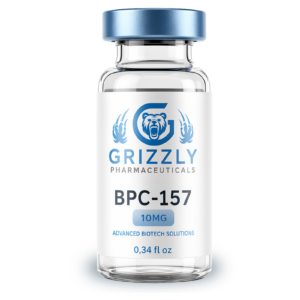
BPC-157 — 10MG Tissue repair research Study-dependent $70.00
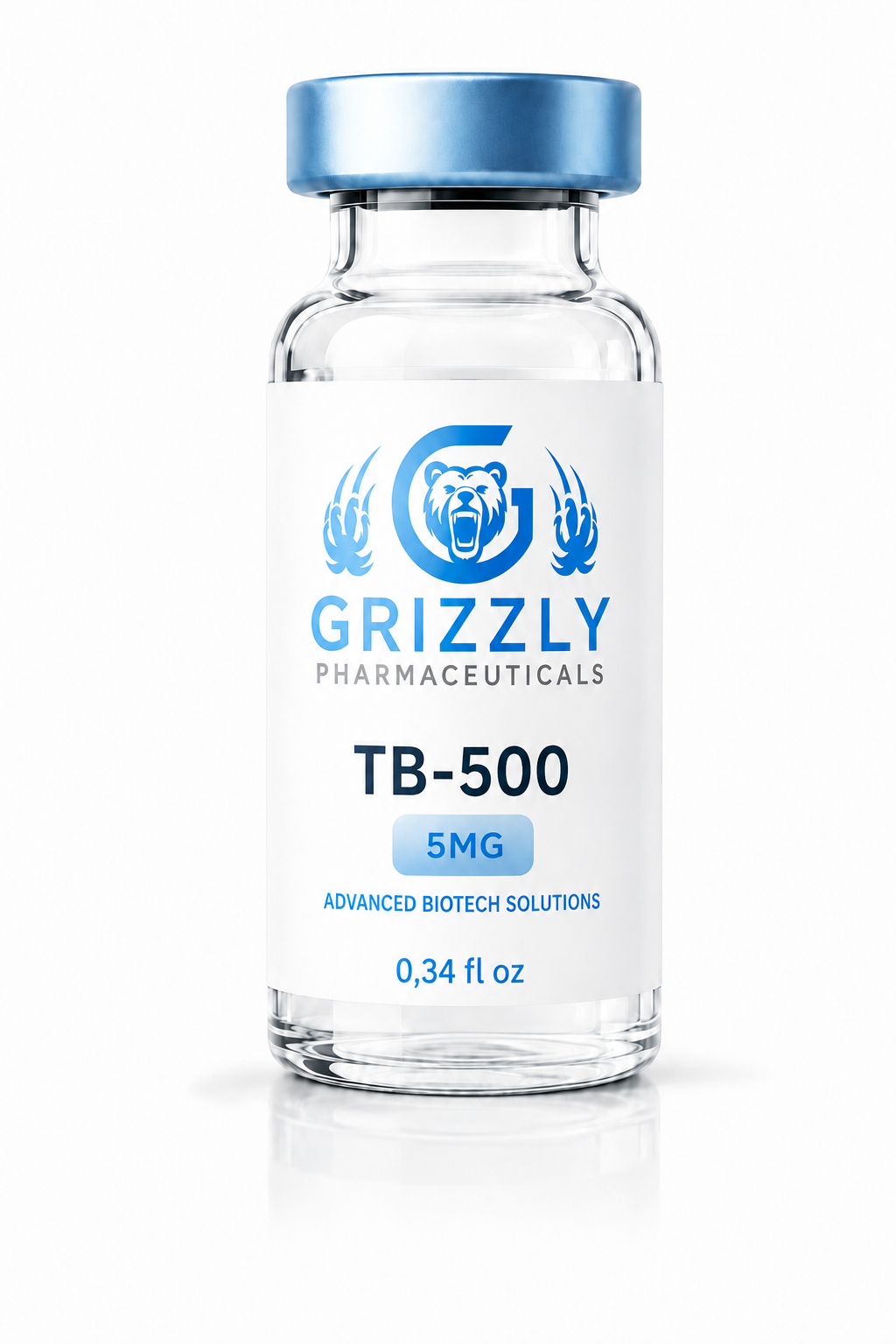
TB-500 — 5MG Repair pathway research Study-dependent $40.00
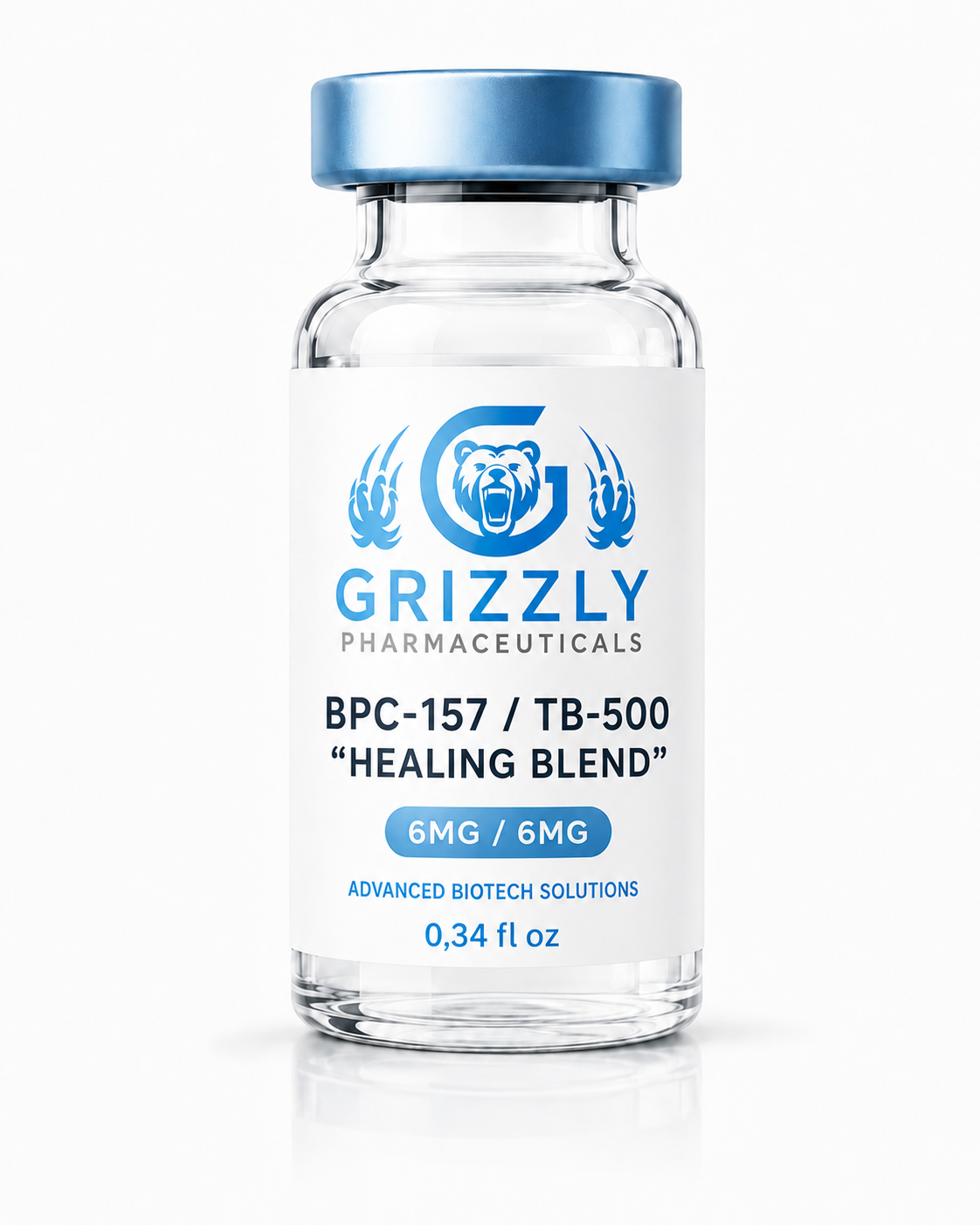
BPC-157 / TB-500 Healing Blend Combination repair model Study-dependent $70.00

Mechanism of Action

Step 1 Cytoprotective Signaling
Step 2 Angiogenesis Pathways
Step 3 Tissue Remodeling Markers

BPC-157 is commonly discussed in research involving growth-factor signaling, angiogenesis-related models, nitric oxide pathway modulation, and tissue repair marker evaluation.

1

Angiogenesis Promotion

Research models often evaluate BPC-157 for its relationship to vascular signaling and localized repair-environment changes.

2

Tendon and Ligament Models

Studies frequently examine fibroblast activity, collagen-related signaling, and structural tissue remodeling markers.

3

Nitric Oxide System Modulation

BPC-157 is also evaluated in models involving endothelial function, inflammatory response markers, and NO-related signaling pathways.

Pharmacokinetics & Properties

Short; commonly discussed as model-dependent in research settings.

Lyophilized peptide compound for controlled laboratory handling.

Handle according to laboratory storage, sterility, and documentation requirements.

1419.5 g/mol

Research Data & Findings

Preclinical Research Reference

BPC-157 has been widely discussed in preclinical models involving tissue repair pathways, gastrointestinal integrity, inflammatory response, and angiogenesis-related markers.

Common research themes:
  • Tissue repair and collagen-related signaling models.
  • Gastric and intestinal barrier research contexts.
  • Inflammatory response and vascular signaling observations.

Handling & Review Profile

Research Handling Notes

  • Use appropriate laboratory documentation and storage controls.
  • Maintain light, temperature, and contamination controls.
  • Follow institutional research protocols.

Research-Use Boundaries

  • Not intended for human consumption.
  • Not medical advice or treatment guidance.
  • For laboratory research reference only.
Research-use notice: This page is provided for laboratory research reference and product education only. It is not medical advice and should not be interpreted as instructions for human use, diagnosis, treatment, or self-administration.

Related Articles & Studies

Available Research Products

Related Research Products.

Explore research-use products associated with this compound profile, including available formats, related blends, and supporting lab documentation where available.

Research FAQ

BPC-157 Questions.

Common research-focused questions about BPC-157, product handling, storage, and compound comparison.

What is BPC-157?

BPC-157, also known as Body Protection Compound 157, is a synthetic pentadecapeptide commonly discussed in laboratory research involving tissue repair signaling, gastrointestinal integrity models, angiogenesis pathways, and inflammatory response markers. This product is intended strictly for research and analytical use only.

What size is this BPC-157 product?

This product is BPC-157 — 5MG. It is supplied as a lyophilized research compound for laboratory reference, analytical study, and in-vitro research applications.

Is BPC-157 intended for human use?

No. BPC-157 products on this site are intended for laboratory research purposes only. They are not intended for human consumption, diagnostic use, therapeutic use, self-administration, or treatment of any condition.

What research areas is BPC-157 commonly associated with?

BPC-157 is commonly referenced in research related to tissue repair models, tendon and ligament signaling, gastrointestinal barrier integrity, angiogenesis markers, inflammatory pathway analysis, nitric oxide system modulation, and wound-healing research models.

How should BPC-157 be stored?

BPC-157 should be stored according to the product label, batch documentation, and laboratory handling standards. Lyophilized research peptides are commonly kept in a cool, dry, and light-protected environment, with longer-term storage often requiring refrigeration or freezing depending on institutional protocol.

What does lyophilized BPC-157 mean?

Lyophilized means the peptide has been freeze-dried into a stable powder format. This form is commonly used for research peptides because it can help support storage stability before controlled reconstitution in a laboratory setting.

Does BPC-157 require reconstitution?

Lyophilized research peptides are generally reconstituted under controlled laboratory conditions before use in analytical or in-vitro research workflows. Any reconstitution process should follow qualified lab protocols, sterile handling procedures, and product-specific documentation.

How does BPC-157 compare to TB-500?

BPC-157 and TB-500 are often compared in tissue-repair research, but they are distinct compounds. BPC-157 is commonly discussed in relation to gastrointestinal integrity, localized repair signaling, and inflammatory pathway research, while TB-500 is frequently associated with actin regulation, cellular migration, and broader repair-pathway models.

What is the difference between BPC-157 5MG and BPC-157 10MG?

The main difference is the total amount of lyophilized compound supplied in the vial. BPC-157 — 5MG contains 5MG, while BPC-157 — 10MG contains 10MG. Selection depends on the research scope, lab requirements, and study design.

Can BPC-157 be compared with the BPC-157 / TB-500 Healing Blend?

Yes. In research contexts, standalone BPC-157 may be compared against combination products such as the BPC-157 / TB-500 Healing Blend to evaluate differences in study design, compound pairing, and repair-pathway research models. Any compatibility review should be performed by qualified researchers.

Does this BPC-157 product include lab documentation?

When available, product testing information and batch documentation may be provided through the site’s lab results or documentation area. For batch-specific questions, check the lab results page or contact support.

Who should purchase BPC-157?

BPC-157 should only be purchased by qualified individuals, organizations, or laboratories using it for legitimate research, analytical testing, or educational reference purposes. It is not sold for personal therapeutic use.

Research-use notice: This FAQ is provided for educational and laboratory reference purposes only. It is not medical advice and should not be interpreted as instructions for human use.

For Research Purposes Only

The information provided in this resource hub is for educational and informational purposes only. These products are not intended to diagnose, treat, cure, or prevent any disease.